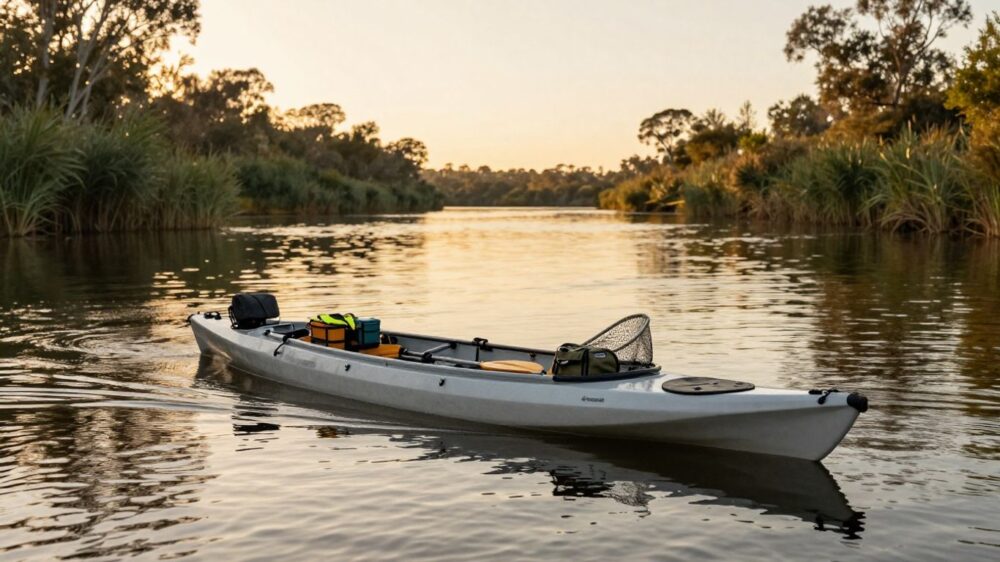
Choose the right kayak for your fishing style
I start every kayak fishing setup with the boat itself, because accessories cannot make an unsuitable hull feel right. The best choice depends on where I fish, how I travel with the kayak, and whether I prefer a relaxed paddle or hands-free movement. I also consider the amount of equipment I genuinely need rather than buying for an imagined expedition.
Sit-on-top versus sit-inside designs
A sit-on-top kayak gives me an open, easy-to-access deck and is generally simpler to re-enter if I capsize. It also leaves more room for tackle and makes casting feel less confined. A sit-inside design can feel snug and may offer more shelter from splashing water, but the cockpit needs careful attention to fit, drainage, and exit technique.
For a first fishing boat, I favour a layout that lets me move my legs, reach my gear, and get back aboard without drama. Whichever style I choose, I practise wet exits and re-entry in calm, shallow water before carrying a rod offshore.
Matching kayak length and width to your water
Shorter kayaks usually turn more readily, which helps on narrow rivers, small creeks, and areas with frequent obstacles. Longer hulls tend to track more smoothly and cover distance efficiently on open lakes or sheltered coastal water. Width affects both stability and the space available for a seat, tackle, and fishing accessories.
I check the manufacturer’s load rating and include my body weight, clothing, safety equipment, water, food, and fishing gear in the calculation. A kayak that sits too low once loaded may feel sluggish and leave less margin when wind or waves arrive.
Comparing stability, speed, and maneuverability
Primary stability is the steady feeling I notice when I first sit down, while secondary stability matters as the kayak leans during a turn or a fish fight. A very broad hull can feel reassuring, but it may take more effort to paddle. A narrow, quick hull may travel well yet demand more balance when I cast sideways.
I look for a sensible compromise rather than chasing one ideal specification. A modest test paddle tells me more than a product photograph: I can shift my weight, reach for a rod, turn, stop, and see how naturally the boat responds.
Deciding between a paddle kayak and a pedal drive
A paddle kayak is mechanically simple, easy to carry, and well suited to shallow water where a drive could contact the bottom. A pedal drive can free both hands for casting and may make it easier to hold position while moving slowly, but it adds weight, cost, and another component to maintain.
I still carry a paddle when using a pedal system, including for launching, landing, shallow sections, and emergencies. The choice should fit the water I fish most often, not just the most appealing feature on a showroom floor.
Build a safe and comfortable cockpit
Once I have a suitable hull, I set up the cockpit before adding fishing equipment. A comfortable position helps me paddle, cast, and respond to a sudden change in balance without fighting the boat. I keep safety equipment usable first and treat convenience as a secondary concern.
Adjusting the seat and footrests
I adjust the seat so my back is supported without being forced upright or collapsed. My knees stay slightly bent, and my feet rest firmly against the footrests or braces. This connection gives me control when turning and reduces the temptation to pull against loose gear.
I make small changes on shore, then sit in the loaded kayak in shallow water. If my hips, lower back, or legs become uncomfortable quickly, I correct the fit before adding accessories that make the cockpit harder to reach.
Keeping your center of gravity low
Heavy items belong low and near the centre of the kayak. I avoid stacking bulky tackle or batteries high beside me, since raised weight can make the boat feel twitchy and harder to recover when it leans.
A low centre of gravity does not mean I should ignore the boat’s limits. I distribute equipment so I can still reach it without twisting sharply, and I leave clear space for my legs and paddle stroke.
Wearing a properly fitted personal flotation device
I wear a personal flotation device designed for paddling, with enough room for movement and adjustment points that stay secure. I test it while seated, rotating my torso and reaching overhead, because a fit that works on land may feel restrictive on the water.
I keep the device on whenever I am afloat, including on warm, calm days. I also check its condition before a trip and replace it if the material, fasteners, or buoyancy components show damage.
Setting up an easy-to-reach paddle holder
A paddle holder should keep the paddle secure without forcing me to reach across a rod, line, or landing net. I position it beside the seat where I can release and retrieve the paddle while keeping my eyes on the water.
I test the holder with the kayak loaded, since a mounting point that seems convenient on an empty deck can become blocked later. A short tether can stop the paddle drifting away, but I keep every leash arranged so it cannot catch my hands or feet.
Organize rods, tackle, and essential gear
A tidy kayak fishing setup is less about carrying everything and more about knowing where each item belongs. I place frequently used gear within a natural reach and reserve less accessible storage for spare clothing or backup supplies. Every item needs a secure home before I launch.
Choosing rod holders and mounting positions
I place rod holders where the butt and reel remain clear of my elbows, paddle, and casting stroke. Behind the seat can work for spare rods, while a forward holder may suit a rod I want close at hand, provided it does not obstruct my legs or view.
I avoid drilling until I have sat in the loaded kayak and rehearsed a cast, a turn, and a landing. The best position is functional rather than symmetrical, and it should allow me to remove a rod quickly if the line snags.
Storing tackle where it stays dry and accessible
I use compact containers with secure lids and keep the day’s working tackle close to the seat. Spare items can go in a sealed hatch or dry bag, while soft gear should be separated from hooks and sharp lures.
Before launching, I decide which lures and tools I expect to use first. That simple choice reduces rummaging and keeps an open tackle box from becoming a hazard when the kayak rocks.
Securing pliers, knives, and other tools
Pliers, cutters, and knives need leashes or fixed attachment points so I can use them without watching them drift away. I keep sharp edges covered when the tools are stowed and position them where I can reach them with one hand.
The attachment should be long enough for normal use but not so long that it loops around my paddle or feet. I inspect the tether regularly, especially after saltwater trips or contact with rough hardware.
Preventing loose gear from becoming a hazard
Anything that can roll, slide, or float away deserves a tether, pocket, or closed container. I keep the floor clear because loose tackle can catch a foot just when I need to shift my weight.
A short pre-launch scan is useful, and I use this compact sequence before pushing off:
- Close every tackle box and dry bag.
- Attach leashes to the paddle, rods, and frequently used tools.
- Place heavy items low and close to the centreline.
- Check that the deck remains clear for a safe exit.
After that check, I can fish with less distraction. The goal is not a perfectly neat deck; it is a deck that remains predictable when the water becomes unsettled.
Add fish-finding and navigation electronics
Electronics can help me understand the water, but they should not replace basic navigation and judgement. I install them only after the seat, paddle, rods, and safety equipment work comfortably together. A simple setup that stays powered and readable is more useful than a crowded console.
Selecting a fish finder for kayak use
I choose a compact fish finder with a screen I can read from my seated position and controls I can operate without leaning too far. Water resistance, battery requirements, mounting options, and visibility in bright conditions all matter more than an impressive list of functions.
I also ask whether I truly need the device for the water I fish. In familiar, sheltered areas, a chart, compass, and careful observation may be enough; elsewhere, electronics can add useful context without becoming the sole source of direction.
Installing a transducer without creating drag
The transducer needs a clear view of the water while staying protected from bumps during launch and landing. Depending on the hull, it may be mounted through a dedicated scupper, inside the hull, or on an external bracket.
I follow the kayak and transducer instructions rather than improvising a permanent fitting. Before committing to holes or adhesive, I check the cable path, hatch access, and whether the arrangement adds drag or can snag weeds.
Powering electronics with a protected battery
I keep the battery in a protected, dry compartment and use connectors suited to the marine environment. The cables should have enough slack for normal movement but not form loops around my feet or paddle.
I charge and inspect the battery before leaving home, then test the complete system on shore. Spare power is useful only when it is stored safely and kept separate from water that may enter the hull.
Using a phone, GPS, or compass as a backup
I carry a waterproof phone case or a separate navigation aid even when the kayak has a fish finder. A compass remains useful when glare, low battery, poor signal, or spray makes a screen difficult to read.
I set up the backup before launching rather than waiting until I am uncertain about my position. I also tell someone where I plan to fish and when I expect to return, following local requirements and sensible trip-planning practice.
Rig the kayak for efficient fishing
Rigging should shorten the distance between me and the task at hand. I want to reach a rod, tool, landing net, or anchor without crossing a line or shifting too far sideways. I add one fitting at a time and remove anything that repeatedly gets in the way.
Adding a track or accessory mounting system
A track or accessory mounting system can give me flexibility when I am still learning where equipment belongs. It lets me adjust a holder, camera, or electronics mount without committing every position permanently.
I check the track’s strength, fasteners, and clearance around the seat before loading it with accessories. A mount that is easy to move is useful only if it remains stable while I paddle and handle a fish.
Positioning an anchor or stake-out pole
I position an anchor or stake-out pole so it can be deployed without leaning dangerously over the side. Its line or cord needs a clear route and a quick way to release if the current, wind, or bottom creates trouble.
I use these systems only where conditions suit them and never treat them as a reason to stay in water that is becoming unsafe. Retrieval should be as controlled as deployment, with no loose line left across the cockpit.
Setting up a landing net and fish grips
A landing net should sit close enough to reach with my dominant hand while the other hand controls the rod. I choose a size that fits the fish I expect to encounter and secure it so the frame cannot slide under my feet.
Fish grips, if I use them, belong in a reachable holder rather than loose beside the seat. I prepare the landing area before the fish is alongside, since searching for equipment at that moment is when poor balance becomes most likely.
Managing cables, leashes, and mounting hardware
I route cables along the hull or under protected edges, keeping them away from pedals, rudder lines, and the paddle stroke. Leashes should be short enough to manage but long enough for the movement they support.
I round off or cover protruding hardware and check fasteners for movement after each outing. Simple routing prevents trouble because it keeps the cockpit legible when I need to react quickly.
Prepare for different fishing conditions
The same kayak fishing setup may need small changes from one waterway to another. Freshwater, saltwater, wind, heat, and cold each affect how I pack and maintain equipment. I make those changes before launch rather than trying to solve them from a moving kayak.
Adapting the setup for freshwater lakes and rivers
On a lake, I may prioritise open-water tracking, wind awareness, and enough storage for a longer paddle back to shore. On a river, turning control, a clear deck, and careful reading of current become more important.
I keep the setup lighter on narrow or shallow water and avoid fittings that can catch branches. I also check access points, flow, and local conditions before choosing a route.
Choosing saltwater-resistant equipment
Saltwater quickly exposes weak points in metal hardware, connectors, reels, and electronic mounts. I choose corrosion-resistant components where practical and rinse the kayak, fittings, and tools with fresh water after each trip.
I dry gear before storing it and inspect screws, clips, and battery connections for residue. A small maintenance habit is easier than replacing a fitting after corrosion has seized it.
Handling wind, waves, and changing weather
Wind can make the return journey harder than the outward trip, so I check its direction and strength before launching. I keep the load balanced, avoid unnecessary high-mounted equipment, and leave a clear route to shore.
If waves build or weather changes quickly, I stop fishing and reassess rather than trying to finish one last cast. Conditions matter more than the day’s catch, and a conservative decision is part of good paddle safety.
Packing for cold water and hot-weather trips
Cold water deserves respect even when the air feels pleasant. I pack clothing that remains useful when wet, protect spare layers in a dry bag, and avoid relying on the warmth of a sunny forecast.
In hot weather, I carry sufficient drinking water, sun protection, and a way to shield electronics and soft gear from heat. I keep the load organised so I can reach those items without emptying the cockpit.
Test and refine your kayak fishing setup
I treat the first few outings as practical tests rather than final exams. A kayak can feel perfectly arranged at home and awkward once loaded, afloat, and surrounded by wind. Testing helps me find problems while the fix is still simple.
Performing a dry run before launching
On shore, I sit in the kayak with every item packed and rehearse the main actions of a trip. I reach for the paddle, rod, pliers, landing net, tackle, phone, and water without standing or twisting sharply.
I also practise removing a rod, opening a container, and releasing each leash. This dry run often reveals that a holder is too far away or that one cable crosses a place where my hand naturally moves.
Checking stability while casting and landing fish
In calm, shallow water, I test small weight shifts before making a full cast. I notice how the kayak responds when I turn, reach sideways, bring a fish close, or lift a net.
I keep these tests controlled and wear my personal flotation device. If the boat feels unstable, I change my technique or equipment rather than assuming I will become comfortable through luck.
Creating a simple launch-day checklist
A checklist keeps routine details from competing with my attention on the water. Mine covers the kayak, safety equipment, fishing gear, navigation, weather, and a plan for returning.
I keep it short enough to use every time:
- Check the hull, seat, fittings, and drain points.
- Confirm the paddle, personal flotation device, phone, and navigation backup.
- Secure rods, tackle, tools, leashes, and electronics.
- Check weather, access, water conditions, and my return plan.
Once those items are complete, I can spend less mental energy wondering what I forgot. I update the list when a trip teaches me something useful, rather than adding every possible item.
Adjusting the rig after each trip
After landing, I note what I reached for often, what stayed unused, and what obstructed a movement. I make one or two changes at home, then test them again in calm water.
That gradual approach keeps the kayak understandable and prevents a pile of accessories from taking over the deck. A good setup is not the most elaborate one; it is the one I can operate safely without thinking through every step.
Conclusion
A reliable kayak fishing setup grows from the hull outward: fit the boat to the water, make the cockpit safe, secure essential gear, and add equipment only when it solves a real problem. I test every change in calm conditions and keep safety ahead of convenience. With a little restraint and regular refinement, the kayak becomes easier to paddle, fish from, and enjoy.
Frequently Asked Questions
What should I add first to a fishing kayak?
I would start with a properly fitted personal flotation device, a suitable paddle, a comfortable seat, secure rod storage, and a way to keep essential tools attached. Electronics and extra mounts can wait until the basic cockpit works well.
Is a sit-on-top kayak better for fishing?
A sit-on-top kayak often provides an open deck, easy access, and a straightforward re-entry arrangement. A sit-inside can suit someone who prefers a more enclosed cockpit, so fit, water conditions, and exit practice matter more than a universal rule.
How much gear should I carry?
I carry the equipment needed for the planned trip, plus practical safety and weather supplies. Keeping weight low and leaving the cockpit clear usually helps more than bringing every lure, tool, and accessory I own.
Do I need a fish finder for kayak fishing?
No. A fish finder can be useful in some locations, but it is not essential for every outing. I still carry basic navigation and pay attention to shoreline features, weather, current, and my route.
Where should I place rod holders?
Rod holders should be reachable without blocking the paddle stroke, legs, or casting movement. I test positions while seated in the loaded kayak and make sure I can remove a rod quickly if the line snags.
How can I protect a kayak from saltwater corrosion?
I rinse the kayak, hardware, tools, and electronics connections with fresh water after saltwater use. Dry storage, regular inspection, and corrosion-resistant fittings also help identify small problems before they affect a trip.
How do I know when my setup is ready?
I consider it ready when I can launch, paddle, cast, reach essential equipment, manage a fish, and return without awkward movements or loose gear. A calm-water dry run and a short checklist provide a useful final check.